


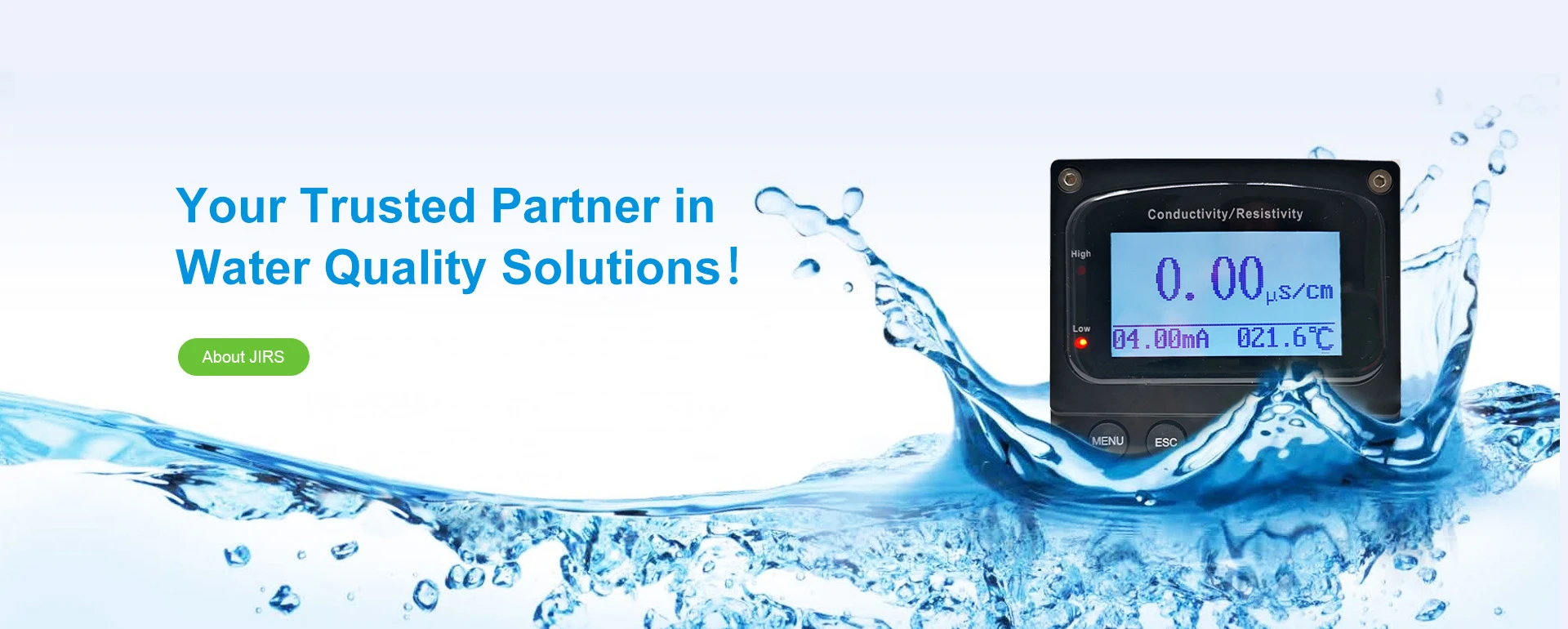
Ensures the high precision,high steady and high efficiency of our machines
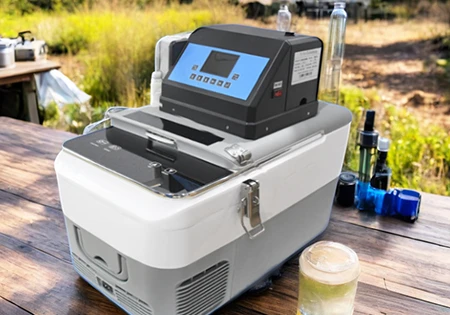
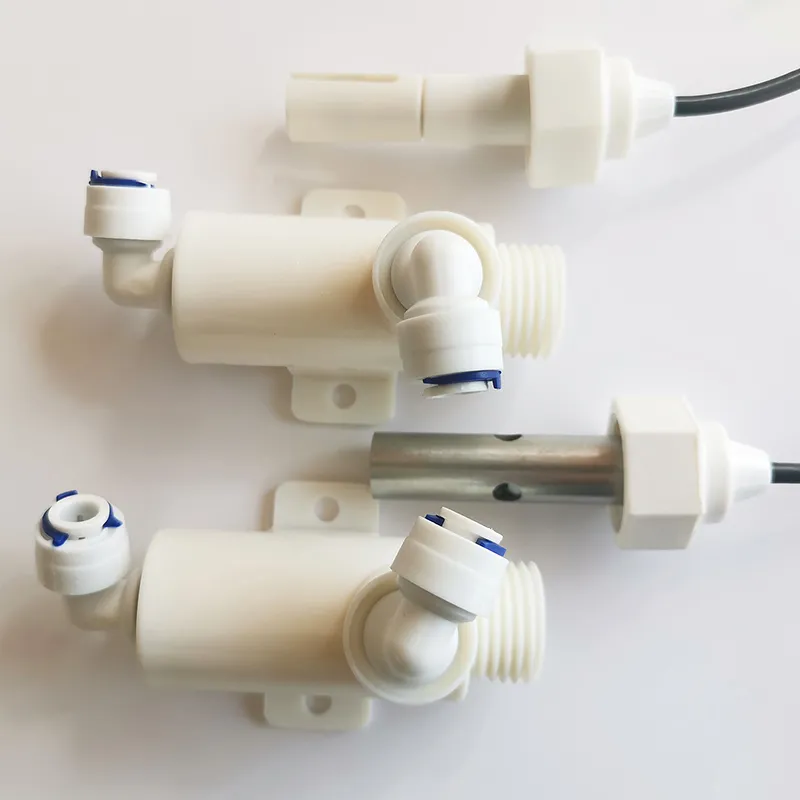
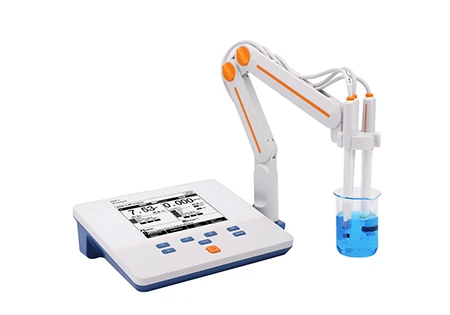
titanium dioxide electrical conductivity
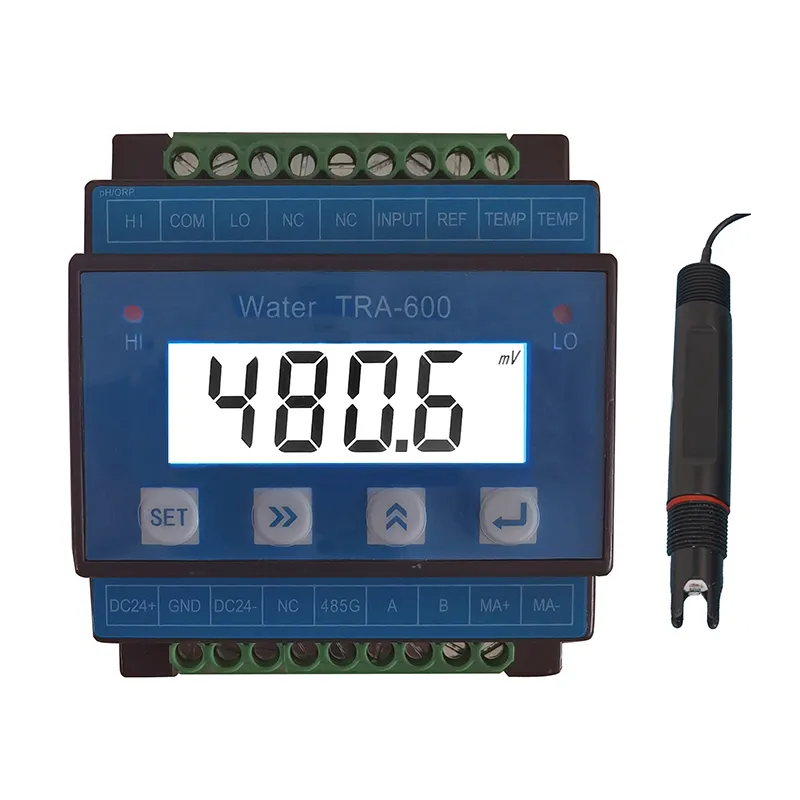
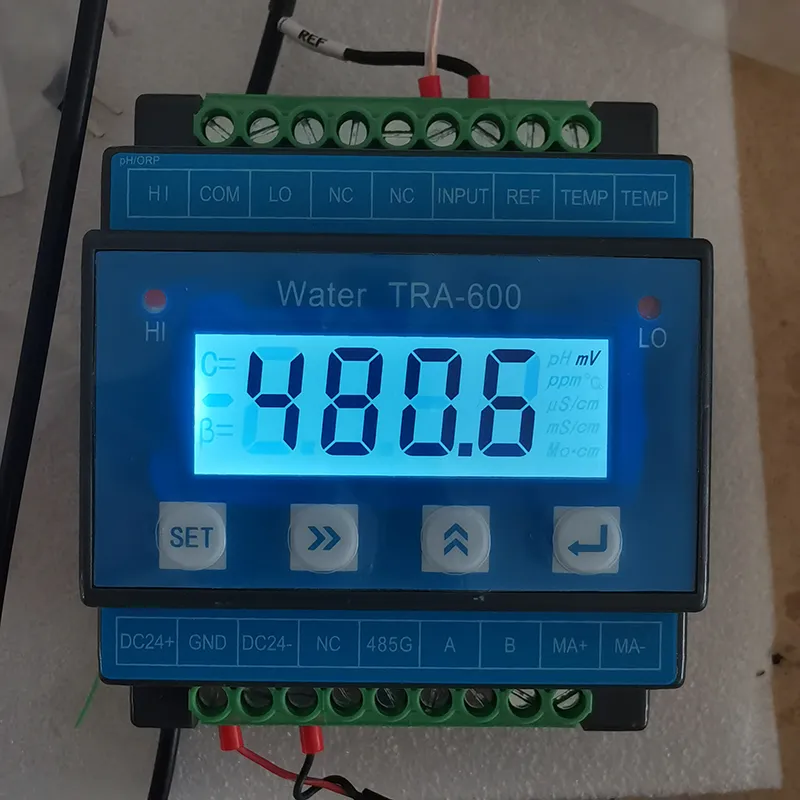
In industries ranging from electronics to power transmission, the demand for reliable insulation materials hinges on their electrical conductivity properties. Materials with low electrical conductivity are critical for preventing current leakage, protecting equipment, and ensuring operational safety. Understanding the relationship between electrical resistance and conductance is key to selecting the right insulation materials, and wholesalers play a vital role in connecting clients with both high-quality materials and the tools to measure their performance. Hebei JIRS Import & Export Co., Ltd., a leader in electrical measurement solutions, offers precision instruments that help assess electrical conductivity in insulation materials, supporting industries worldwide with accurate data and reliable service. Low Electrical Conductivity Materials: Core Traits for Insulation L ow electrical conductivity materials are defined by their ability to resist the flow of electric current, making them indispensable for insulation applications. Their core traits ensure they meet the strict demands of diverse industries. Resistance to Current Flow:At the heart of low electrical conductivity is high electrical resistance, which limits the movement of electrons through the material. This trait prevents short circuits, energy loss, and electrical hazards in applications like wiring, transformers, and electronic enclosures. Materials such as ceramics, certain polymers, and glass are prized for this property, as their molecular structure minimizes free electrons. Stability Across Conditions: Top insulation materials maintain low electrical conductivity even when exposed to temperature fluctuations, moisture, or chemical exposure. For example, silicone rubber retains its insulating properties in high-heat environments, making it ideal for industrial machinery. This stability ensures long-term reliability, reducing maintenance needs for end-users. Compatibility with Manufacturing: low electrical conductivity materials must be easy to shape, cut, or mold to fit specific equipment designs. Flexible polymers, for instance, can be extruded into wires or gaskets, while rigid ceramics are machined into insulators for high-voltage systems. This versatility makes them suitable for sectors from aerospace to consumer electronics. Hebei JIRS Import & Export Co., Ltd. understands that selecting the right material requires accurate electrical conductivity data. Their measurement tools help clients verify that materials meet insulation standards, ensuring compatibility with end-use applications. Electrical Conductivity and Insulation: Practical Applications E lectrical conductivity directly impacts the effectiveness of insulation materials, with low electrical conductivity being a non-negotiable trait in critical applications. Electronics Manufacturing: In circuit boards and semiconductors, even minor current leakage can damage components. low electrical conductivity materials like epoxy resins and polyimides insulate conductive paths, preventing cross-talk and ensuring signal integrity. Manufacturers rely on these materials to maintain device performance and longevity. Power Distribution: High-voltage power lines and transformers use insulators with low electrical conductivity to contain current and prevent energy loss. Porcelain or composite insulators, for example, withstand extreme voltages while limiting leakage, ensuring efficient electricity transmission across grids. Medical Devices: Insulation materials in medical equipment must meet strict safety standards. low electrical conductivity materials like PEEK prevent electrical interference, protecting patients and ensuring device accuracy. Hebei JIRS Import & Export Co., Ltd. supports these applications by providing tools that measure electrical conductivity with precision, helping clients validate material performance before integration. Their instruments, designed for stability and accuracy, ensure that insulation materials meet industry-specific requirements. Electrical Resistance and Conductance in Insulation Materials E lectrical resistance and conductance are complementary properties that define a material’s insulating capability, with low electrical conductivity corresponding to high resistance. This relationship is critical for material selection. For example, a rubber insulator with high resistance and low electrical conductivity is ideal for coating wires, as it prevents current from escaping. Conversely, a material with low resistance would fail as an insulator, risking short circuits. Hebei JIRS Import & Export Co., Ltd.’s controllers help quantify this relationship, measuring electrical conductivity and translating it into resistance data. This allows clients to compare materials objectively, ensuring they choose options that balance insulation performance with other traits like flexibility or heat resistance. Hebei JIRS’s Tools for Measuring Low Electrical Conductivity Hebei JIRS Import & Export Co., Ltd. offers precision instruments designed to measure low electrical conductivity in insulation materials, supporting accurate material validation and quality control. Product Specification Details Measuring Range 0~200uS/cm, 2000uS/cm, 0~20mS, 0~200mS, 0~2000ppm, 0~5000ppm Displaying Mode LCD Accuracy 1.5%(FS) Stability ±2×10⁻³(FS)/24h Working Pressure 0~0.5MPa Medium’s Temperature 0~50℃ Temperature Compensation Taking 25℃ as the datum point, digital temp. compensation Output Current/Voltage Insulated active output 4-20mA (≤ 500Ω) Control Output Maximum and minimum (constantly open) contact point output Contact Point Capacity 3A/AC250V (with resistant loads) Provided Electrodes 1.0cm-1 electrodes (0.1cm-1 constant optional) Cable Length 4.5m or otherwise agreed Environmental Conditions Temperature: 0~50℃; Humidity: ≤85%RH Power Supply AC 220V±10% 50/60Hz; AC 110V±10% 50/60Hz (optional) External Dimensions 48×96×100mm (height×width×depth) Dial Plate Hole 45×91mm Installation Mode Install with a disk Electrical Conductivity FAQS How does low electrical conductivity enhance insulation performance? L ow electrical conductivity enhances insulation performance by minimizing current leakage through the material. In applications like wiring or electronics, this prevents short circuits, energy loss, and equipment damage. Materials with low electrical conductivity resist electron flow, confining current to intended paths and ensuring safe, efficient operation. Hebei JIRS Import & Export Co., Ltd.’s measurement tools help verify this trait, ensuring materials meet the strict insulation standards required for critical industries like power transmission and medical devices. What role do electrical resistance and conductance play in selecting insulation materials? E lectrical resistance and conductance are key to selecting insulation materials: resistance measures a material’s opposition to current, while conductance measures its ability to conduct. For insulation, high resistance (and low conductance) is essential, as it blocks unwanted current flow. Materials with high resistance correspond to low electrical conductivity , making them ideal for insulation. Hebei JIRS Import & Export Co., Ltd.’s instruments quantify these properties, allowing clients to compare materials and choose those with the right balance of resistance and practical traits like flexibility or heat tolerance. How do environmental factors affect electrical conductivity in insulation materials? Environmental factors like temperature, moisture, and chemicals can alter a material’s electrical conductivity . For example, high humidity can increase conductivity in porous materials by introducing water (a conductor), while extreme heat may degrade polymers, reducing their insulating capability. low electrical conductivity materials designed for harsh environments (e.g., silicone rubber in high-heat settings) resist these changes, maintaining stability. Hebei JIRS Import & Export Co., Ltd.’s tools account for temperature fluctuations with digital compensation, ensuring accurate electrical conductivity measurements even in variable conditions. Why is accurate measurement of low electrical conductivity critical for wholesalers? Accurate measurement of low electrical conductivity is critical for wholesalers because it ensures they supply materials that meet client specifications. In industries like electronics or power distribution, subpar insulation can lead to safety hazards, equipment failure, or costly recalls. By using precise tools like those from Hebei JIRS Import & Export Co., Ltd., wholesalers can validate material performance, build trust with clients, and avoid disputes. These measurements also help wholesalers recommend the right materials for specific applications, enhancing their role as reliable partners. How does Hebei JIRS support clients working with low electrical conductivity materials? Hebei JIRS Import & Export Co., Ltd. supports clients with precision instruments that measure low electrical conductivity accurately, even in challenging conditions. Their tools feature stable readings, temperature compensation, and user-friendly design, making them suitable for quality control and material testing. Beyond equipment, the company offers dedicated online support for installation, calibration, and troubleshooting, ensuring clients get the most from their tools. With experience serving diverse industries, Hebei JIRS understands the unique needs of working with low electrical conductivity materials, providing tailored solutions that enhance efficiency and reliability.
Latest News
2026-04-06 00:25
PH/ORP-6850 is a state-of-the-art industrial online pH and ORP controller designed for continuous monitoring and control of water quality parameters. Developed by Hebei JIRS Import & Export Co., Ltd. , this device is engineered to meet the demanding requirements of diverse industries, including municipal wastewater treatment, chemical processing, and environmental monitoring. Below, we explore its
2026-04-06 02:00
The LF55 Pressure Switch is a critical component in modern hydraulic systems, designed to ensure safety and efficiency through precise pressure monitoring. Manufactured by Hebei JIRS Import & Export Co., Ltd. , this device plays a vital role in protecting pumps, hydraulic machinery, and industrial equipment from pressure-related failures. This article explores the LF55 Pressure Switch 's features,
2026-04-06 00:31
The LF55 pressure switch represents a cutting-edge solution for industrial safety and control, designed to monitor and regulate pressure in critical systems such as pumps, hydraulic machinery, and fluid dynamics applications. Developed by Hebei JIRS Import & Export Co., Ltd. , this device combines robust engineering with international standards to ensure dependable performance across diverse envir
